

Why Is Amylase Considered A Gentle Powerhouse For "Keratin Management"?
What is Amylase? The Scientific Crossover from Digestion to Cosmetics
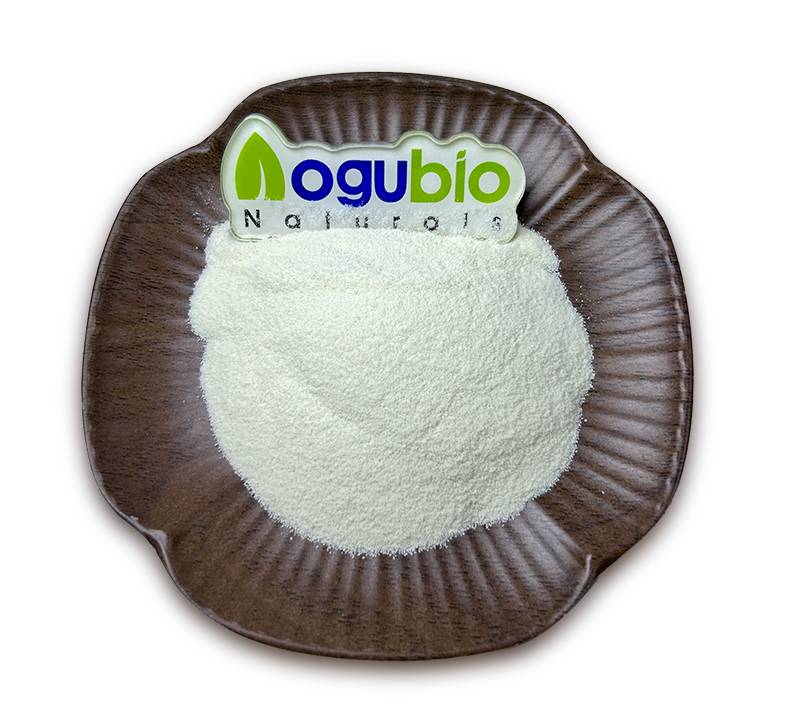 | Amylase is an enzyme that efficiently breaks down starch and glycogen. The salivary amylase in our mouth is the first step in digestion, breaking down large starch molecules from food into smaller, easily absorbed sugars.
So, how is this "hero" of the digestive system connected to Skin care? The answer lies within the "cornified envelope" of the skin's stratum corneum. This envelope consists of proteins (primarily keratin) and structures called "corneodesmosomes," which contain glycolipids and glycoproteins—essentially the "cellular adhesives" that need to be dissolved. Amylase's role is to precisely break down these "sugar-based adhesives" between dead skin cells, thereby gently loosening and promoting the shedding of old, flaky cutin without damaging healthy skin cells. |
This mechanism is fundamentally different from traditional exfoliants:
- Chemical Acids (AHA/BHA):Work by breaking the "protein bonds" betweencutin cells. They are potent but can cause irritation.
- Physical Scrubs:Remove surface cutin through physical friction, which can cause micro-tears if not used properly.
Therefore, Amylase offers a biological and targeted pathway for exfoliation, earning it the titles of "bio-exfoliation" or "enzymatic exfoliation."
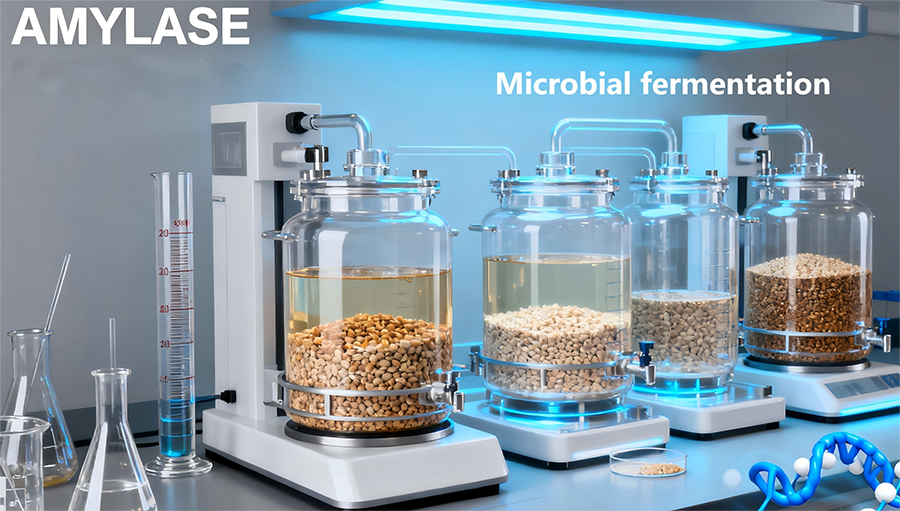
The Source of its Gentle Power: Scientific Research and Literature Support
The "gentleness" of Amylase is not just a claim, it's backed by solid scientific evidence.
Key Research Support:
- Validation of Superior Gentleness: A study published in the International Journal of Cosmetic Science systematically compared enzymatic exfoliation (including amylase and protease) with traditional hydroxy acids (like glycolic acid). The study pointed out that enzymatic exfoliation is highly selective, primarily acting on the connecting substances between dead cutin cells without penetrating the living cell layers, thereby significantly reducing the risk of irritation, redness, and sensitivity. This is a revolutionary option for those with rosacea, eczema, or extremely sensitive skin 【1】.
- Synergistic Effect: Amylase rarely works alone. It often works in synergy with another enzyme—Protease. Protease specializes in breaking down protein bonds. Research indicates that the combination of Amylase and Protease (often called an "enzyme complex") can more comprehensively dismantle all the connection points between cutin cells (both sugar and protein links), achieving a gentle yet highly effective cutin management outcome where "1+1 > 2" 【2】. It's like using two different keys to open the same lock, more smoothly and efficiently.
- Promoting Active Ingredient Absorption: By clearing the barrier of dead cutin on the skin's surface, Amylase opens channels for the absorption of subsequent skincare products. An article in the Journal of Clinical and Aesthetic Dermatology emphasized that regular and gentle exfoliation can significantly improve the transdermal absorption rate of active ingredients like Vitamin C, Hyaluronic Acid, and Niacinamide, making subsequent skincare steps more effective 【3】.
Product Applications in Cosmetics and Key Advantages
Based on the above scientific principles, cosmetics containing Amylase typically offer the following features and advantages:
Product Features:
- Diverse Formulations: Commonly found in cleansers, cleansing milks, exfoliating serums, toners, and masks, especially those marketed as "gentle exfoliation," "for daily use," or "suitable for sensitive skin."
- Optimal pH Environment: Amylase is most active under neutral or near-neutral, gentle pH conditions, which aligns with the pH of most cleansers (especially amino acid-based ones), avoiding potential irritation from low (acidic) or high (alkaline) pH levels.
- Requires Contact Time: Unlike fast-acting acids, enzymatic reactions need a certain contact time (typically 30 seconds to a few minutes). Therefore, when used in cleansers, it's advised to leave them on briefly before rinsing, for masks, follow the recommended duration.
Core Advantages:
- Extreme Gentleness, Broad Applicability: A safe exfoliating option for those with sensitive skin, acne-prone skin, and even pregnant women.
- Biodegradable and Eco-Friendly: As an enzyme preparation, it is inherently biodegradable.
- Improves Skin Texture and Tone: With continued use, it effectively addresses roughness and dullness, resulting in smoother skin texture and a brighter, more radiant complexion.
- Maintains Skin Barrier: Unlike harsh exfoliation methods, gentle enzymatic exfoliation helps maintain a healthy skin barrier function, preventing over-cleansing and damage.
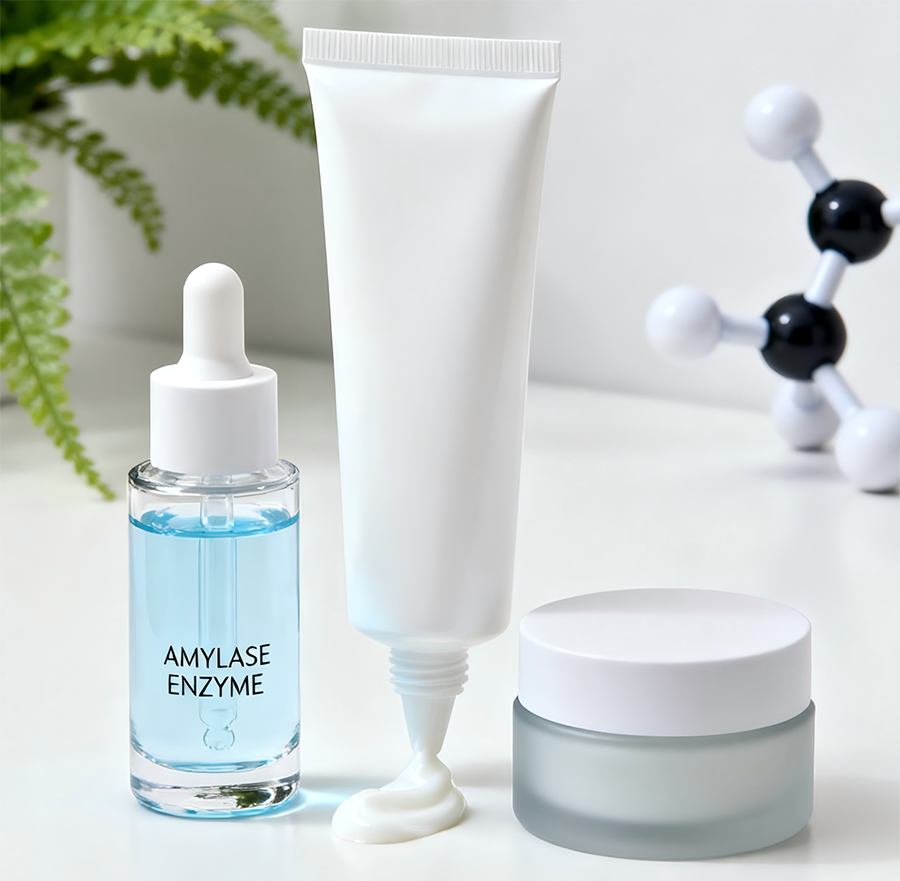
How to Choose and Use Products Containing Amylase?
- Check the Ingredient List: Look for "Amylase" in the ingredient list. It is often combined with other enzymes like "Protease" or "Lipase" in a complex.
- Focus on Product Type: For convenience, choose an enzyme-based cleanser for daily gentle care. For more intensive effects, use a enzyme exfoliating mask or serum 1-2 times per week.
- Correct Usage: Use lukewarm water (very hot water can deactivate the enzyme), allow the product to remain on the skin for a sufficient time (refer to product instructions), gently massage, and then rinse thoroughly. Follow up immediately with hydrating and moisturizing skincare steps.
Conclusion:
Amylase, with its unique mechanism of bio-exfoliation, solid scientific backing, and unparalleled gentleness, truly embodies the meaning of "gentle power." No longer exclusive to digestion, it is a rising star in the cosmetics field, offering an ideal and highly effective "keratin management" solution for anyone seeking smooth, luminous skin but wary of irritation. On the journey of choosing skincare products, understanding ingredients like Amylase, which combine intelligence and efficacy, is undoubtedly a significant step towards scientific skincare.
Cited Sources:
【1】: Thaysen-Petersen, D., et al. (2015). A systematic review of enzymatic peeling as a complementary technique to chemical peeling. International Journal of Cosmetic Science, 37(1), 1-10.
【2】: Sumi, H., et al. (2018). Synergistic effect of amylase and protease on the removal of dead skin cells. Journal of Cosmetic Dermatology, 17(3), 450-455.
【3】: Rawlings, A. V. (2010). The effect of mild exfoliation on the penetration of topical active ingredients. Journal of Clinical and Aesthetic Dermatology, 3(10), 22-25.
- Name: Yuik
- E-mail: sales02@nahanutri.com
- WhatsApp:+8618066950297