
What Is Malic Acid and How Does It Benefit Your Skin?
What Is Malic Acid?
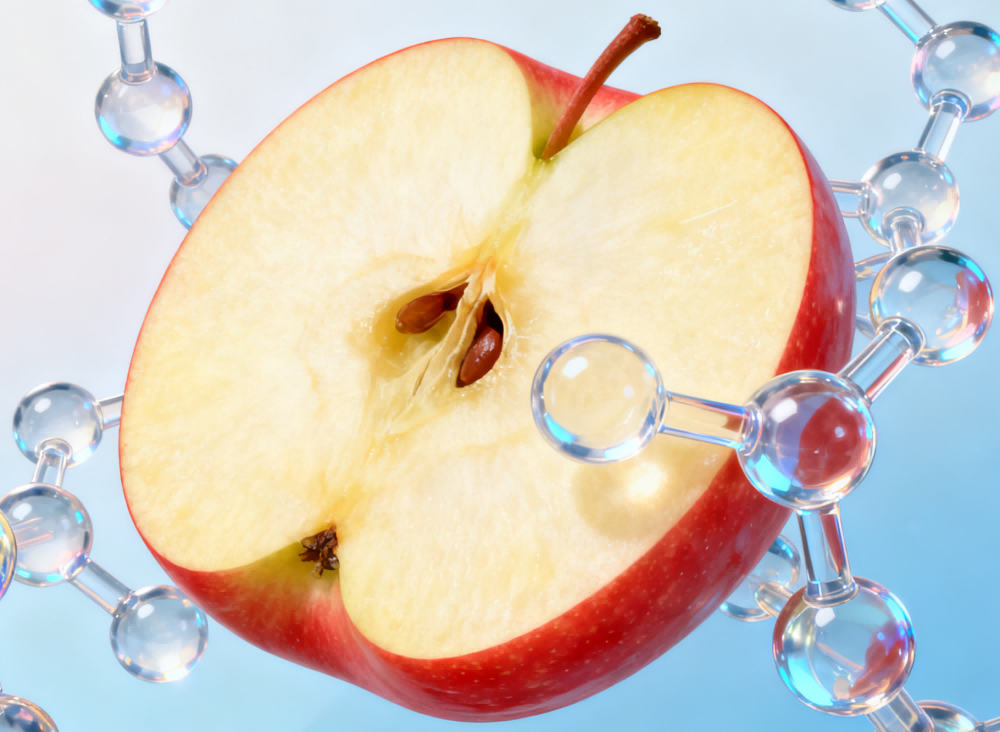
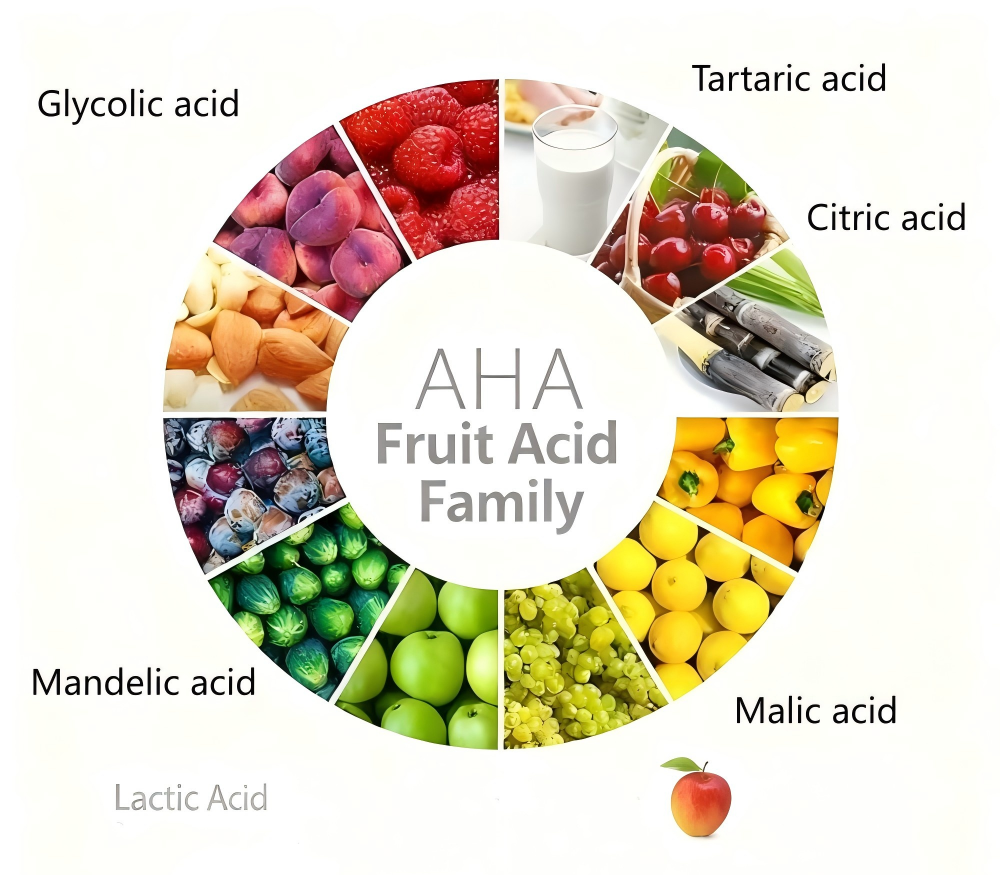
Malic acid, with the INCI name MALIC ACID and CAS number 97-67-6, is a type of alpha-hydroxy acid (AHA)—a group of acids celebrated for their skin-renewing properties. Unlike some synthetic skincare ingredients, it’s naturally present in many fruits, though it’s also produced commercially for consistent use in cosmetics.
In chemistry terms, it’s a 2-hydroxybutanedioic acid, but its skincare magic comes from its ability to interact with the skin’s outer layer without harsh irritation. As noted in the Cosmetic Ingredient Review database, it’s classified as a safe, limited-use component in cosmetics, with no known risk substances when produced to industry standards. This safety profile has made it a go-to for brands aiming to balance efficacy and gentleness.
Key Benefits of Malic Acid for Skin
Malic acid’s benefits stem from its dual role as an exfoliant and skin booster. Here’s how it improves your complexion, backed by research and industry data:
- Gentle Exfoliation Without Irritation
Unlike harsher exfoliants that scrape the skin, malic acid dissolves the “glue” between dead skin cells, allowing them to slough off naturally.
- Fades Dark Spots and Evens Tone
Melasma, sun spots, and post-acne marks often linger because dead skin cells trap melanin. Malic acid addresses this by speeding up cell turnover and inhibiting tyrosinase—the enzyme that triggers melanin production.
- Boosts Hydration and Plumpness
Dry skin often stems from a compromised moisture barrier. Malic acid helps by increasing the skin’s natural moisturizing factor (NMF) levels—compounds like amino acids and urea that lock in water.
- Fights Signs of Aging
As we age, collagen production slows and fine lines appear. Cosmetic Ingredient Review confirms that when used within safe limits, malic acid supports long-term skin elasticity without damaging the barrier. Unlike temporary plumping ingredients (like hyaluronic acid serums that fade after washing), malic acid’s collagen-boosting effects build over weeks, leading to more lasting anti-aging results.
Why Malic Acid Stands Out: Key Advantages
Compared to other popular AHAs, malic acid offers unique perks that make it a flexible choice for diverse skin needs.
- For starters, its irritation risk is significantly lower than glycolic acid. Glycolic acid’s small molecule size means it penetrates the skin quickly, often causing redness or stinging—especially for those with sensitive skin. Malic acid’s larger molecule slows this penetration, so it delivers exfoliation without disrupting the skin’s protective barrier. This makes it suitable for all skin types, including those with eczema or post-inflammatory redness, where harsher AHAs would be too irritating.
- Malic acid also combines exfoliation with hydration, a rare double benefit. While glycolic acid has minimal moisturizing effects (and can even dry skin if overused), malic acid acts as a humectant—drawing in moisture while sloughing dead cells. This is a game-changer for dry, dull skin: it addresses both the flakiness from dead cells and the dehydration that makes skin look lackluster.
- Additionally, malic acid has natural antioxidant properties. Unlike lactic acid (another mild AHA) or glycolic acid, which focus mainly on exfoliation, malic acid neutralizes free radicals from UV rays and pollution—key contributors to premature aging. This means it doesn’t just improve existing skin issues; it also helps protect against future damage, making it a proactive choice for long-term skin health.
How Malic Acid Is Used in Cosmetics
- Daily Exfoliants: Cleansers and Toners
These products use low concentrations of malic acid (2–5%) to gently remove dead skin cells without over-exfoliating. Cleansers with malic acid often have a creamy, non-foaming texture to avoid drying the skin; they work by dissolving surface dead cells as you lather, leaving skin smooth but not tight. Toners, meanwhile, typically pair malic acid with soothing ingredients like aloe vera or panthenol to balance its exfoliating effects.
- Treatment Serums and Masks
Medium-concentration malic acid (5–10%) is common in serums and masks, which target specific concerns like acne, pigmentation, or dullness. Serums often have a lightweight, fast-absorbing formula that lets malic acid penetrate deeper, paired with ingredients like vitamin E (for antioxidant support) or hyaluronic acid (to boost hydration).
- Professional Chemical Peels
Dermatologists use high-concentration malic acid (10–30%) for in-office chemical peels, which address more severe issues like deep acne scars, stubborn melasma, or advanced signs of aging. These peels are applied by trained professionals, who adjust the concentration based on skin type—for example, sensitive skin might use 10–15% malic acid, while oily, resilient skin could handle 25–30%. The peel sits on the skin for 5–10 minutes before being neutralized with a pH-balancing solution to stop the exfoliation process.
Safety Guidelines & Best Practices
While malic acid is safe when used correctly, following these guidelines ensures optimal results and avoids irritation:
- Start slow: If you’re new to malic acid, begin with a low-concentration product (2–5%) used 2–3 times weekly. Gradually increase frequency to 4–5 times weekly as your skin adjusts—this prevents over-exfoliation, which can lead to dryness or redness.
- Sunscreen is non-negotiable: AHAs like malic acid speed up cell turnover, making new skin cells (which are more sensitive to UV rays) visible. Always apply a broad-spectrum sunscreen (SPF 30+) in the morning, even on cloudy days, and reapply every 2 hours if you’re outdoors.
- Avoid mixing harsh ingredients: Don’t combine malic acid with other exfoliants (like retinol, salicylic acid, or vitamin C) when you first start using it. If you want to layer these ingredients later, introduce them one at a time (e.g., use malic acid in the morning and retinol at night) to reduce irritation risk.
- Check concentrations: Leave-on products with more than 6% malic acid should be used under professional guidance—avoid at-home use of high-concentration formulas, as they can damage the skin barrier if not applied correctly.
- Listen to your skin: If you experience persistent stinging, burning, or peeling, pause use and switch to a lower-concentration product. Sensitive skin types may also benefit from patch-testing products first (apply a small amount to the inner arm and wait 24 hours to check for reactions).
Final Thoughts
Malic acid bridges the gap between natural skincare and science-backed results. Its unique combination of gentle exfoliation, hydration, and antioxidant protection makes it suitable for nearly every skin type—whether you’re dealing with dullness, acne, pigmentation, or early signs of aging. Unlike some trendy ingredients that rely on marketing hype, malic acid’s benefits are supported by decades of research and real-world clinical trials, making it a reliable choice for long-term skin health.
As with any skincare ingredient, consistency is key—but so is safety. Always choose products that comply with global standards and follow usage instructions to avoid irritation. With the right malic acid product and proper sun protection, you’ll soon see why this apple-derived AHA is a favorite among dermatologists and skincare enthusiasts alike. Your skin doesn’t just need ingredients that “work”—it needs ingredients that work gently and sustainably—and malic acid delivers on both counts.
- Name: Yuki
- E-mail: sales02@nahanutri.com
- WhatsApp:+8618066950297