


Coco Glucoside: A Gentle and Sustainable Cosmetic Ingredient
What is Coco Glucoside?
Coco Glucoside is a non - ionic surfactant derived from natural sources. Its INCI (International Nomenclature of Cosmetic Ingredients) name is Coco - Glucoside. It is produced through a reaction between glucose, a sugar found in plants, and fatty alcohols derived from coconut oil (Boury et al., 2007). This process results in a mild, biodegradable surfactant that has gained popularity in the cosmetic and personal care industries.
Chemical Structure and PropertiesCoco Glucoside consists of a hydrophilic (water - loving) glucose head and a hydrophobic (oil - loving) fatty alcohol tail. This unique structure allows it to act as a surfactant, reducing the surface tension between water and oil, which is essential for cleansing and emulsifying properties. It typically appears as a semi - viscous, yellowish liquid, and is soluble in water, making it suitable for a wide range of formulations. | 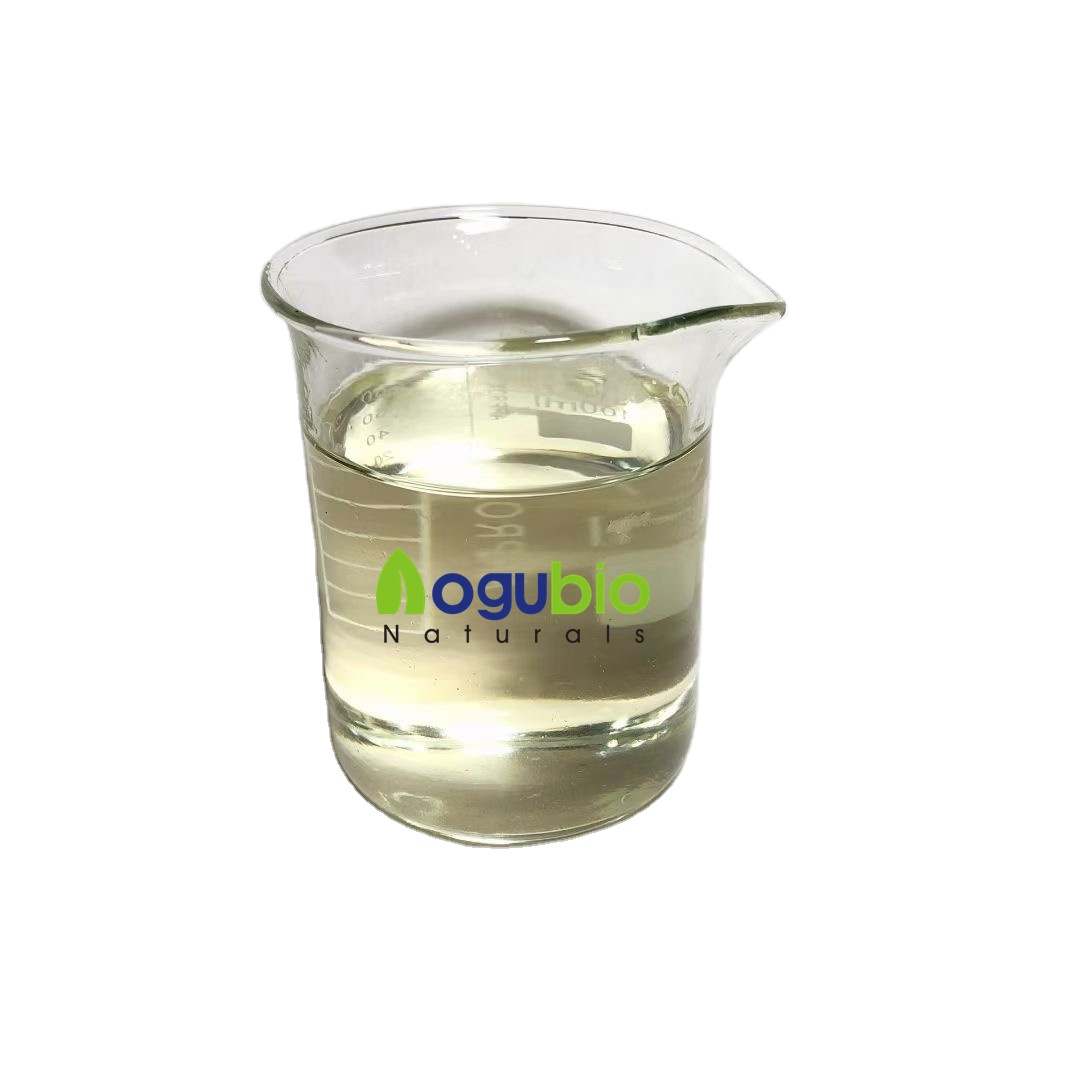 |
How Does Coco Glucoside Work in Cosmetics?
- Cleansing Action
As a surfactant, Coco Glucoside plays a crucial role in cleansing products. It works by surrounding dirt, oil, and other impurities on the skin or hair. The hydrophobic tails of Coco Glucoside molecules attach to the oily substances, while the hydrophilic heads remain in contact with water. When rinsed, the Coco Glucoside - surrounded impurities are easily washed away, leaving the skin or hair clean. A study by Vidal et al. (2010) showed that Coco Glucoside effectively removes sebum and dirt from the skin without causing excessive dryness.
- Emulsifying Properties
In addition to its cleansing abilities, Coco Glucoside can act as an emulsifier. In emulsion - based products such as creams and lotions, which contain both oil and water phases, an emulsifier is needed to prevent the two phases from separating. Coco Glucoside helps to disperse the oil droplets evenly throughout the water phase, creating a stable and homogeneous product. This is due to its amphiphilic nature, where the hydrophobic part interacts with the oil phase and the hydrophilic part interacts with the water phase.
Benefits of Using Coco Glucoside in Cosmetics
- Mildness and Low irritation
One of the most significant advantages of Coco Glucoside is its mildness. It has a very low irritation potential, making it suitable for use in products for sensitive skin and for children. Compared to harsh surfactants like Sodium Lauryl Sulfate (SLS) or Sodium Laureth Sulfate (SLES),Coco Glucoside is much gentler on the skin. Research by De Groot and Frosch (1997) found that Coco Glucoside had a significantly lower skin irritation score compared to traditional surfactants. This makes it an ideal choice for facial cleansers, baby shampoos, and other products where minimizing skin irritation is a priority.
- Biodegradability and Environmental Friendliness
Coco Glucoside is biodegradable, meaning it can be broken down by natural processes in the environment. This is a major advantage in today's environmentally conscious market. As consumers become more aware of the impact of cosmetic products on the environment, the demand for biodegradable ingredients like Coco Glucoside is increasing. According to the OECD (Organization for Economic Co - operation and Development) guidelines, Coco Glucoside meets the criteria for ready biodegradability, ensuring that it does not persist in the environment and cause harm to aquatic life or ecosystems.
- Good Foaming Properties
Coco Glucoside is an effective foaming agent. It can create a rich, creamy foam in cleansing products, which is not only aesthetically pleasing but also contributes to the perception of effective cleansing. In shampoos, body washes, and facial cleansers, the foam produced by Coco Glucoside helps to spread the product evenly and enhances the cleansing experience. The foaming ability of Coco Glucoside can be further optimized by combining it with other surfactants or foam - boosting ingredients, as demonstrated in various formulation studies (Gutiérrez et al., 2013).
- Compatibility with Other Ingredients
It is highly compatible with a wide range of other ingredients used in cosmetics. This allows formulators to create complex and effective product formulations. Coco Glucoside can be combined with natural extracts, essential oils, and other surfactants to enhance the overall performance of the product. For example, in a study by Santos et al. (2015), Coco Glucoside was successfully formulated with plant - derived humectants and emollients to create a moisturizing body wash with excellent cleansing and skin - conditioning properties.
Common Questions about Coco Glucoside
What Products Can Coco Glucoside Be Used In?
Coco Glucoside is extremely versatile and can be used in a variety of cosmetic and personal care products. It is commonly found in shampoos, where it provides gentle cleansing and helps to improve the texture and manageability of hair. In body washes and shower gels, Coco Glucoside creates a luxurious foam and leaves the skin feeling clean and moisturized. Facial cleansers often incorporate Coco Glucoside due to its mildness, making it suitable for sensitive facial skin. It can also be used in bubble baths, liquid soaps, and even laundry detergents and dishwashing liquids in the household products sector.
How Much Coco Glucoside Should Be Used in a Formulation?
The recommended usage rate of Coco Glucoside varies depending on the type of product. For face washes, a concentration of 10% - 20% is typically suggested. In bath foams, shower gels, and shampoos, the recommended concentration is 15% - 30%. However, these are general guidelines, and formulators may need to adjust the concentration based on factors such as the desired level of cleansing, foaming, and the overall formulation of the product. For example, if the product contains other surfactants or if it is designed for a specific skin or hair type, the amount of Coco Glucoside may need to be optimized accordingly.
Is Coco Glucoside Vegan and Cruelty - Free?
Yes, Coco Glucoside is vegan as it is derived from plant - based sources (coconut oil and glucose). It does not involve the use of any animal products or by - products in its production. Additionally, the production of Coco Glucoside does not typically involve animal testing, making it cruelty - free. This makes it an attractive option for consumers who follow a vegan lifestyle or who are concerned about animal welfare in the cosmetic industry.
Conclusion
Coco Glucoside has established itself as a valuable ingredient in the cosmetic industry. Its mildness, biodegradability, good foaming properties, and compatibility with other ingredients make it a popular choice among formulators. As the demand for natural, sustainable, and effective cosmetic products continues to grow, Coco Glucoside is likely to play an even more significant role in the future of the cosmetic market. Whether in shampoos, body washes, or facial cleansers, Coco Glucoside offers a gentle and eco - friendly option for both consumers and the environment.
References
- Boury, F., Vandamme, T. F., & Paquot, M. (2007). Alkyl polyglucosides: properties, applications and synthesis. Carbohydrate Polymers, 69(3), 455 - 469.
- De Groot, A. C., & Frosch, P. J. (1997). A critical review of the irritancy of surfactants. Contact Dermatitis, 36(2), 67 - 74.
- Gutiérrez, J. M., Solans, C., & Bagatell, P. (2013). Surfactants and cosolvents in microemulsion formation: selection and optimization. Journal of Surfactants and Detergents, 16(2), 139 - 151.
- Santos, A. M., Costa, A. C., & Coutinho, J. A. P. (2015). Surfactant - free emulsions stabilized by alkyl polyglucosides and plant - derived emollients. Journal of Surfactants and Detergents, 18(2), 427 - 434.
- Vidal, C., Clavaguera, C., & Piérard, G. E. (2010). Efficacy of a new facial cleanser with alkyl polyglucoside. Journal of Cosmetic Dermatology, 9(1), 40 - 44.